

How Much Does It Cost to Level a Sloped Backyard? Price Ranges and Cost Factors
Leveling or regrading a sloped backyard typically costs $1,000 to $5,000, with national averages near $1,700 to $2,200 and common pricing of $1 to $2 per square foot. This guide breaks down cost by project type, slope severity and pricing method, explains what drives the price up, and shows what a quote should include.

For most US homeowners, leveling or regrading a sloped backyard costs between about $1,000 and $5,000, with national cost guides putting the typical project average around $1,700 to $2,200. Contractors most often price the work at roughly $1 to $2 per square foot for general grading, or $50 to $200 per cubic yard of soil moved on heavier earthwork. Small jobs, such as leveling a spot for a patio or fixing the grade along one side of the house, can run $500 to $1,500, while regrading a steep hillside backyard with terraces, drainage and retaining structures can reach $10,000 or more. What separates a $1,000 project from a $15,000 one is mostly how much soil has to move, how steep the ground is, and what has to be built to keep the new grade stable.
Every figure in this article is a national planning range compiled from multiple current cost guides. Actual quotes vary by region, site access, soil and scope, so treat these numbers as a budgeting baseline rather than a bid.
Average Cost to Level a Sloped Backyard by Project
The most useful way to think about cost is by the type of leveling project, because a drainage correction and a full hillside regrade are priced nothing alike:
| Project Type | Typical Cost Range |
|---|---|
| Small fix: level an area for a patio, pool or play area | $500 - $1,000 |
| Regrade along one side of the house | $500 - $1,000 |
| Regrade around the entire foundation | $1,000 - $3,000 |
| Flatten a slope or remove a hill in the backyard | $1,000 - $5,000 |
| Full backyard regrade with drainage work | $2,000 - $6,500+ |
| Terraced backyard on a steep slope | $2,100 - $9,300+ (walls priced separately) |
| Whole-lot grading | $15,000 - $45,000 per acre |
Two patterns in those ranges are worth noting. First, the per-project averages across major cost guides cluster tightly: Lawn Love reports a typical residential range of $770 to $3,000 with a national average near $1,700, Fixr puts the average around $1,800 with most projects between $1,500 and $2,600, and Angi reports an average near $2,180 with a common range of roughly $1,000 to $3,300. Second, the high end belongs almost entirely to steep properties, where leveling stops being a grading job and becomes an earthwork and structures job.
How Contractors Price Leveling Work
Expect quotes expressed in one of four ways, sometimes combined:
- Per square foot. The most common method for residential work. Fine or finish grading, smoothing the top 1 to 3 inches of soil, typically runs $0.40 to $1.00 per square foot. Rough grading, actually removing a slope or recontouring for drainage, runs about $1.00 to $2.00 per square foot. On that basis, leveling 1,000 square feet costs roughly $800 to $2,000.
- Per hour. Labor and equipment together usually price at $40 to $180 per hour, with heavier machinery at the upper end. Angi notes a typical leveling job involves around 12 to 24 hours of labor where clearing, digging and filling are required.
- Per cubic yard of soil moved. Heavy earthwork is often priced by volume, typically $50 to $200 per cubic yard of excavation, with steep or difficult terrain at the top of that range.
- Per acre. Whole-property grading is quoted by acreage, roughly $15,000 to $45,000 per acre, though few homeowners regrade an entire acre.
A quote that seems high in one unit may be reasonable in another, so it helps to ask how the contractor measured the job.
Cost by Slope Severity
Slope severity is the single biggest cost driver after size, because it dictates method, equipment and structures:
| Slope Condition | What the Work Involves | Typical Cost |
|---|---|---|
| Minor unevenness in an otherwise gentle yard | Topdressing, small hand corrections, patching dips | $120 - $500 DIY; $500 - $1,500 professional |
| Moderate, even slope | Cut-and-fill grading with machinery, topsoil replacement, seed or sod | $1,000 - $5,000 |
| Steep hillside | Excavation, terracing, retaining structures, drainage systems, erosion control | $5,000 - $15,000+ |
The steep category diverges because leveling a hillside is rarely leveling alone. Splitting a big grade change into terraces means retaining walls, which national guides price around $3,200 to $9,200 per wall, or roughly $40 to $345 per linear foot depending on material and height. Wall pricing is its own subject, covered in Ridgeline’s separate retaining wall cost guide; here it is enough to know that once a slope needs walls, they usually become the largest line item in the project.
What Affects the Final Price
Size and Elevation Change
Bigger areas cost more overall but often less per square foot, because equipment works efficiently in open space. Elevation change matters more than area: contractors price steep work higher because more soil must be cut, hauled, filled and compacted to create the same level footprint.
Soil Conditions and Site Access
Sandy soil is easy to shape; heavy clay is slow and sticky; rocky soil wears equipment and time. Organic or unstable soils may need removal and replacement rather than reuse. Access is equally decisive. A backyard that fits a skid steer through a side gate is a different job from a terraced hillside where material moves by hand or small machine, and tight-access work carries premium labor hours.
Fill Dirt and Topsoil
A balanced cut-and-fill job largely supplies its own soil. When a project needs imported material, fill dirt typically costs $5 to $30 per cubic yard plus delivery, and topsoil, the upper layer that supports grass and planting, runs about $11 to $55 per cubic yard. On larger projects, materials can rival labor as a line item, which is why reusing excavated soil on site matters.
Drainage and Erosion Control
Leveling changes where water goes, so drainage work is frequently bundled in. French drains typically run $10 to $75 per linear foot, and full drainage installations range from about $1,500 to $11,000 depending on scope. Freshly graded soil also needs erosion protection: seed, sod, mulch or erosion-control matting. Sod installation averages roughly $0.90 to $1.80 per square foot, seeding far less, and erosion-control grids about $0.65 to $1.60 per square foot.
Permits, Surveys and Engineering
Grading permits typically cost $100 to $500 where required, and thresholds vary by jurisdiction. A land survey, averaging around $375 to $750, is worth its cost wherever property lines are unclear. Hillside or structural projects may also require engineering, which adds professional fees but is what keeps significant grade changes safe and code-compliant.
Land Clearing and Debris
Trees, stumps, boulders and old structures have to go before grading starts. Land clearing runs roughly $1,300 to $5,700 depending on what stands in the way, and hauling off excess soil or debris adds disposal fees when the cut and fill do not balance.
What a Quote Should Include
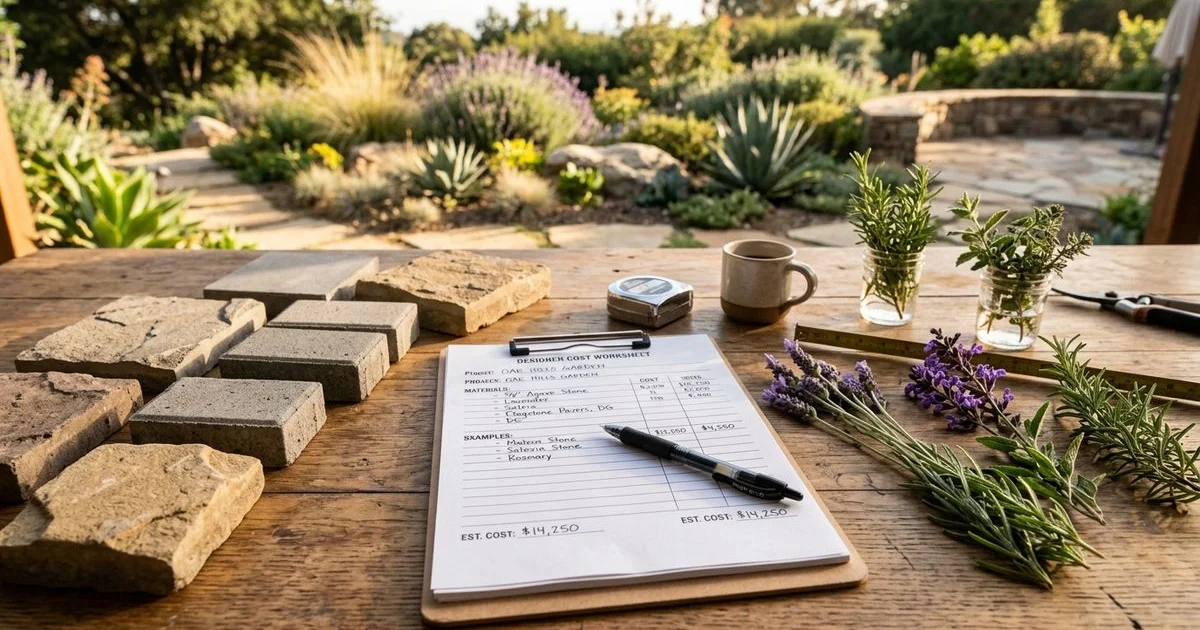
A complete leveling quote normally covers site preparation, excavation and fill, compaction, topsoil replacement, final grading to the planned elevations, and basic cleanup. The items most often priced separately are imported fill and topsoil beyond what the site supplies, drainage structures, retaining walls, permits and surveys, land clearing, and finish work such as sod, seeding and irrigation repair. Ask explicitly which of these are included, because two quotes with the same bottom line can cover very different scopes, and the cheapest bid often excludes the topsoil and finishing that make the result usable.
Example Cost Scenarios
To make the ranges concrete, three realistic scenarios:
Scenario 1: Negative grade against the house. A homeowner regrades the perimeter so the soil falls away from the foundation, adds topsoil and reseeds. Typical cost: $1,000 to $3,000. This is the most common small grading job, and it protects the most expensive asset involved: the foundation.
Scenario 2: Level a lawn panel on a moderate slope. Cut-and-fill grading of roughly 1,000 to 2,000 square feet with machinery, topsoil replacement and sod. Typical cost: $1,500 to $4,000, consistent with the $1 to $2 per square foot rough-grading range.
Scenario 3: Steep hillside backyard. Terracing a long slope into two usable levels with retaining walls, a drainage swale at the top, compacted fill and finished planting. Typical cost: $10,000 to $25,000 or more depending on wall length, access and drainage, with the walls and drainage dominating the budget.
The jump from Scenario 2 to Scenario 3 is not markup; it is the difference between moving soil and building structures that hold soil.
DIY vs Professional Leveling Costs
Small surface corrections are realistic DIY work: topdressing minor dips with screened topsoil, building up a shallow low spot, or releveling a small area by hand might cost $120 to $500 in materials and tool rental. The savings shrink fast with scale, though, because machinery rental, fill and topsoil purchases close much of the gap between DIY and professional pricing on anything larger.
More importantly, the risks are asymmetric. Grading that sends water toward a foundation, fill that settles because it was never compacted in lifts, or a struck utility line can each cost more to fix than the original job. Call 811 before any digging to have underground utilities marked; the service is free. Once a project involves significant soil movement, drainage changes or retaining structures, professional grading is usually the less expensive decision in the long run. Homeowners comparing options for steep lots, such as those researching Pasadena hillside grading and landscaping services, should expect a site visit and a written scope before any responsible contractor names a firm price, because hillside costs cannot be estimated honestly from square footage alone.
Frequently Asked Questions
How much does it cost to regrade a yard?
National cost guides converge on a typical residential range of roughly $770 to $3,000, with averages between about $1,700 and $2,200. Small fixes, such as one side of a foundation or a patio pad, run $500 to $1,500. Flattening a sloped backyard runs about $1,000 to $5,000, and steep hillside projects with terraces, walls and drainage can exceed $10,000 to $15,000. Price follows the amount of soil moved, the steepness and what must be built to hold the new grade.
Is leveling a sloped backyard worth the cost?
Usually, when it solves a real problem. Proper grading protects the foundation from water, eliminates soggy unusable lawn, creates flat space for patios and play, and prepares the yard for landscaping that would otherwise fail. The strongest financial case is regrading around a house: spending $1,000 to $3,000 to correct drainage compares favorably with foundation repairs that can run many times higher. Purely cosmetic leveling of a stable, well-draining slope is a value judgment rather than a necessity.
Can I level my backyard myself to save money?
For small jobs, yes. Topdressing dips, patching shallow low spots and leveling a small area with hand tools are DIY-friendly and cheap, typically a few hundred dollars in materials. The economics change with scale: renting equipment, buying fill and topsoil, and disposing of excess soil narrow the savings, while the risks of poor compaction, wrong drainage fall and utility strikes grow. A common compromise is hiring a contractor for excavation and grading, then handling topsoil spreading, seeding and planting yourself.
Why do quotes for leveling the same yard differ so much?
Usually because the scopes differ. One quote may include topsoil replacement, compaction in lifts, drainage and sod while another prices bare earthmoving only. Contractors also measure differently, pricing by square foot, hour or cubic yard, and each handles site constraints like access, soil and debris differently. Compare line items rather than totals, confirm what is excluded, and be cautious of any quote far above or below the others without a clear reason.
Does leveling a sloped backyard include retaining walls?
Not by default. Basic grading and cut-and-fill leveling reshape soil only. Retaining walls enter the project when the grade change is too steep for a soil slope to hold, which is typical on hillside yards, and they are priced separately, often becoming the largest cost in the project. If a quote for leveling a steep backyard does not mention walls or terracing, ask how the downhill edge of the new level area will be supported.
Sources
- International Code Council - 2021 International Residential Code, Section R401.3 Drainage
- City of Lake Elsinore - Engineering Division Grading Fee Schedule
- U.S. Bureau of Labor Statistics - Occupational Employment and Wages, Landscaping and Groundskeeping Workers (37-3011)
- Call 811 - Call Before You Dig
A free on-site consultation, a phased budget tier, and a master plan that fits your property and your goals.