

Landscaping Meaning: What Does Landscaping Mean?
Discover the meaning of landscaping with our complete guide. Learn what landscaping means, how to transform your outdoor space into a stunning haven, and get practical insights to bring your garden dreams to life. Perfect for novices and enthusiasts looking to enhance their landscapes. Download our free guide today.
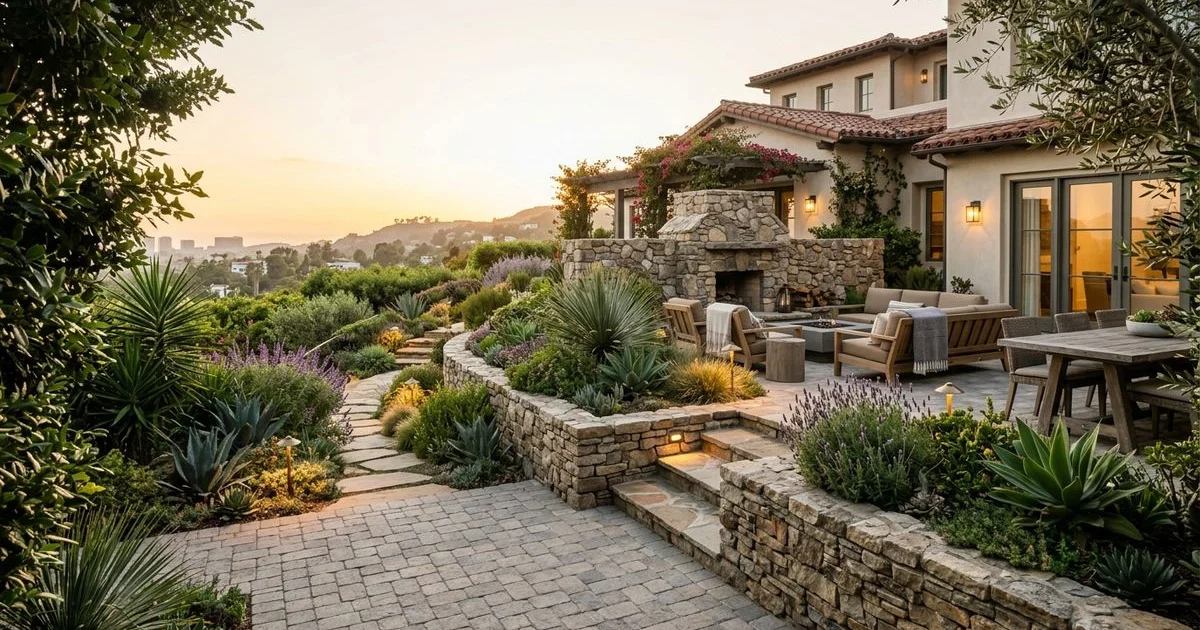
Landscaping is not merely about creating visually appealing gardens but is an art that marries nature with creativity, functionality, and personal taste. At Ridgeline Outdoor Living, we believe that a well-landscaped outdoor space can transform your property, providing an inviting environment for relaxation and entertainment. Our comprehensive guide delves deep into the essence of landscaping, from understanding fundamental principles to exploring innovative techniques that elevate your outdoor aesthetics. Whether you’re a seasoned gardener or a curious homeowner, this guide offers valuable insights and practical tips to help you cultivate your dream landscape.
Landscaping Meaning Explained
Landscaping merges the artistic with the functional to transform outdoor spaces into aesthetically pleasing and practical environments. At Ridgeline Outdoor Living, we emphasize personalized landscape design that reflects your style and suits the natural terrain. Our comprehensive guide provides insights into landscaping types, like hardscaping and softscaping, while introducing design principles such as the Rule of Three to ensure visual harmony. From selecting the right plants to sustainable lawn strategies, we offer expert advice to cultivate a beautiful and harmonious outdoor area. Begin your landscaping journey with us and realize your dream outdoor sanctuary.
Key Highlights
- Landscaping combines nature, creativity, and personal taste to transform outdoor spaces into inviting retreats.
- The four types of landscaping include hardscaping, softscaping, sustainable landscaping, and landscape maintenance.
- The Rule of Three in landscaping uses elements in sets of three to create visual harmony and balance.
- Softscaping involves using living plants to enhance and modify outdoor spaces while promoting sustainability.
- A successful landscaping project blends aesthetics with functionality, aligning with the architectural style of the home.
Understanding the Basics of Landscaping: What Does Landscaping Mean?
Landscaping meaning encompasses the art and science of modifying a landscape to accentuate its visible features. When we talk about landscaping, we’re referring to a comprehensive process that involves understanding the existing shape of an area and transforming it through thoughtful design. This involves considering various elements such as plants, terrain, structures, and water sources to create a cohesive and aesthetically pleasing environment. In essence, landscaping refers to crafting an outdoor space that enhances both its functionality and beauty.
Combining creativity with technical knowledge, landscaping is all about reshaping an area into a harmonious blend of natural and man-made components. Whether you’re focusing on a small garden or a vast estate, the underlying principles remain the same: balance, symmetry, and purpose. By understanding and applying these principles, you can transform your outdoor space into a scenic retreat that reflects your personal style while also being environmentally sustainable. Ready to start designing your outdoor masterpiece? Let Ridgeline Outdoor Living guide your journey with expert tips and insights!
What is an Example of Landscaping?
Landscaping can transform an ordinary outdoor space into an extraordinary haven by artfully arranging outdoor spaces. It involves the harmonization of natural and constructed elements to modify your surroundings into a scenic landscape. The design process often considers existing visible features and seeks to enhance them through strategic landscaping practices. Whether it’s a sprawling yard or an intimate garden nook, landscaping examples abound in various forms. Discovering the essence of a landscape, understanding its potential, and shaping it through creativity in design, reveals how landscaping can truly bring outdoor areas to life, transcending simple aesthetics to cultivate a unique art form.
What are the Four Types of Landscaping?
Landscaping is a broad field with many facets, and it can be primarily divided into four types: hardscaping, softscaping, sustainable landscaping, and landscape maintenance. Hardscaping involves the non-living elements, like patios, walkways, and retaining walls, providing structure and definition. Softscaping deals with living elements, such as plants, grasses, and shrubs that bring life and color to any yard. Sustainable landscaping is an eco-friendly approach that incorporates native plants and water conservation practices, aligning with modern environmental concerns. Landscape maintenance ensures the care of these elements, preserving the beauty and health of the area. Each type of landscaping interplays with design principles, cultivating beauty while ensuring functionality. Embracing different landscaping types offers boundless opportunities to creatively enhance and personalize your outdoor space into a masterpiece that reflects your unique style and values.
What is the Rule of Three in Landscaping?
The Rule of Three is a powerful concept in landscape design, emphasizing the importance of using elements in sets of three to create visual harmony. This rule can apply to the choice of plants, arranging outdoor spaces, or incorporating yard decorations. When you group plants or elements in threes, you create dynamic compositions that are pleasing to the eye and maintain balance in the landscape. The interplay of three varied heights or colors, for example, can create vibrant contrasts while enhancing the natural flow of the area. Beyond just aesthetics, this approach aids in ensuring that every visible feature contributes to an organized, cohesive design. By implementing the Rule of Three, you can make impactful changes to your outdoor spaces, marrying art with science to bring your landscaping vision to life. Amid the complexity of the design process, it ensures simplicity, coherence, and elegance, turning every yard into a tailored masterpiece.
Designing Outdoor Spaces: The First Steps
Designing outdoor spaces involves more than just selecting plants; it’s about creating a harmonious landscape that reflects your style. The first steps in any landscaping project are crucial and set the stage for a successful transformation. This process requires thoughtful planning and a clear landscape design vision. By focusing on the artistic design and functional elements of the area, you can enhance usability and visual appeal. Whether you’re modifying a small garden or a large estate, understanding the basics of arranging outdoor spaces is key. Let’s explore how to craft a landscape design process that can shape a stunning environment.
Crafting a Landscape Design Process
Crafting a compelling landscape design process begins with a clear understanding of your outdoor area. The first step is to consider the visible features that already exist, from plants to terrain, and determine how these elements can be enhanced or modified. This helps in aligning your landscape design goals with the natural characteristics of the space. A successful landscaping project should integrate the architectural style of your home, ensuring all structures and pathways fit seamlessly within your yard. Collaboration with professional designers can introduce innovative ideas into the design process, offering insights on how to balance functionality with aesthetics. Utilizing tools like sketches or digital models can help visualize the proposed design, making it easier to make adjustments before implementation. Arranging outdoor spaces effectively involves not just creative vision but also practical aspects such as drainage, sun exposure, and accessibility. Keeping these factors in mind will ensure a sustainable and harmonious landscape. As Ridgeline Outdoor Living believes, designing is about enhancing outdoor areas to reflect your unique lifestyle. Ready to embark on your landscaping journey? Start crafting your dream outdoor space today!
What does a landscaper actually do?
When considering hiring a landscape contractor, it’s essential to understand the diverse range of tasks they undertake. Professional landscape contractors provide comprehensive landscaping services, tailored to transform and maintain outdoor environments. Their primary role involves balancing aesthetic appeal with functionality, addressing both immediate visual impacts and long-term maintenance. From creating detailed landscape designs to the intricate installation of patios, paths, and water features, their expertise covers an extensive ground. Moreover, they handle various aspects of lawn care, from seeding and mowing to fertilizing and pest control. This ensures your lawn remains lush and vibrant, contributing to the overall appeal of your property. Routine landscaping services often emphasize regular lawn and garden maintenance, such as weeding and pruning, ensuring that all elements are in pristine condition year-round. Engaging with a professional opens up possibilities for customized solutions that reflect your personal style while promoting a sustainable landscape. Considering all these facets, it’s clear why a landscape contractor is invaluable in cultivating engaging outdoor spaces.
What is Softscaping?
Softscaping is the aspect of landscaping that involves working with living plants to enhance and modify outdoor spaces. Unlike hardscaping, which focuses on non-living elements like patios and paths, softscaping is all about incorporating the vitality and beauty of natural elements. In this art and science, plants become the brushstrokes in your garden canvas, transforming any area into a lush, vibrant environment. From choosing the right plants that thrive in your climate to strategically placing shrubs and flowers to accentuate garden areas, softscaping is key in creating a harmonious landscape.
In the world of landscaping, softscaping is where creativity meets sustainability. It involves understanding the unique elements of each plant, including its growth patterns and compatibility with other species, to ensure they thrive together. By thoughtfully selecting and arranging living plants, you can modify a garden area in ways that enhance both its life and beauty. Whether aiming for a tranquil garden retreat or a dynamic and colorful display, softscaping offers endless possibilities to personalize and elevate your outdoor space. Let Ridgeline Outdoor Living be your guide in discovering the art of softscaping.
Embarking on Your Landscaping Project
Kicking off your landscaping project is an exciting journey that unlocks the potential to transform your outdoor spaces. This adventure begins by understanding the essential elements and choices necessary for crafting a beautiful landscape. Whether it’s selecting the perfect plants for your garden or employing strategies to maintain a green yard, every decision counts. As you delve into sustainable landscaping, the integration of both aesthetic and functional components ensures a successful outcome. Enhance your outdoor areas and create a harmonious environment that reflects your personal style. Let’s explore how to choose the right plants and strategize for a thriving yard.
Choosing the Right Plants for Your Garden
Choosing the right plants for your garden is a fundamental step in any landscaping project. The selection process not only affects the aesthetic appeal but also the functionality and sustainability of your outdoor space. Start by considering the climate and soil conditions of your yard, as these will dictate which living plants thrive best. Opt for native plants when possible, as they are adapted to the local environment and require less maintenance, making them a cornerstone of sustainable landscaping. Additionally, balance is essential; a mix of perennials and annuals can provide year-round color and interest. Consider the mature size of the plants to ensure they don’t overshadow or crowd one another. The design process should include planning for different levels, using taller plants as background elements and shorter ones in the foreground to create depth. Incorporate both flowering plants and evergreens to maintain visual intrigue through the seasons. Remember, the right plant selection not only enhances beauty but also supports biodiversity and natural ecosystem functions. Engage with professional gardening services for expert advice tailored to your specific landscape needs.
To help you further in selecting the perfect plants, consider these essential tips for refining your garden choices.
- Ensure plant selection matches your garden’s sun exposure conditions.
- Assess your garden’s water drainage to decide on suitable plant species.
- Investigate plant compatibility to prevent disease and encourage vitality.
- Utilize vertical space creatively with vines or climbing plants.
- Prioritize drought-resistant plants if water conservation is a concern.
- Observe plant pollination needs to aid in biodiversity.
- Plan for seasonal changes by understanding bloom and growth cycles.
By following these tips, your garden will flourish with beauty, sustainability, and environmental harmony.
Strategies for a Green Yard
Maintaining a green yard requires strategic planning and ongoing care. Sustainable landscaping practices are key to achieving a lush, healthy lawn. Begin by investing in high-quality lawn care products that support robust grass growth and discourage weeds. Employ practices such as aeration and dethatching to improve root development and nutrient absorption, ensuring your lawn remains dense and vibrant. Water conservation is another crucial aspect; consider installing a smart irrigation system that adjusts watering based on weather conditions. This not only reduces water waste but also aligns with eco-friendly landscaping practices. Additionally, regular maintenance like mowing at the right height and leaving grass clippings as natural fertilizer contributes to soil health. If you’re dealing with persistent lawn issues, consulting with a professional landscape service can provide targeted solutions. They can offer insights into soil amendments, pest management, and the introduction of complementary plant species. By integrating these strategies, you create an outdoor space that is not only green and inviting but also sustainable and easy to maintain. Homeowners across Southern California can also explore our guide to affordable landscaping in Santa Ana, where phased design-build plans help balance quality materials with realistic budgets.
Embarking on your landscaping journey doesn’t just enhance the aesthetics of your property, it breathes life into your outdoor space. By understanding the foundational concepts and personalizing them to your unique taste and environment, you create an oasis of beauty and functionality. Ridgeline Outdoor Living is here to guide you every step of the way, offering expert advice and high-quality services to turn your vision into reality. Feel inspired to transform your outdoor space into a harmonious blend of form and function, where nature and design thrive together. Explore more with us and start your landscaping adventure today!
A free on-site consultation, a phased budget tier, and a master plan that fits your property and your goals.