

What is Softscaping in Landscape: The Soft Side of Landscaping Explained
Discover the essence of softscaping in landscaping. Learn about the role of plants, flowers, and organic materials that bring harmony and beauty to outdoor spaces. Elevate your garden design by understanding the soft elements that complement hardscaping for a lush, inviting landscape.
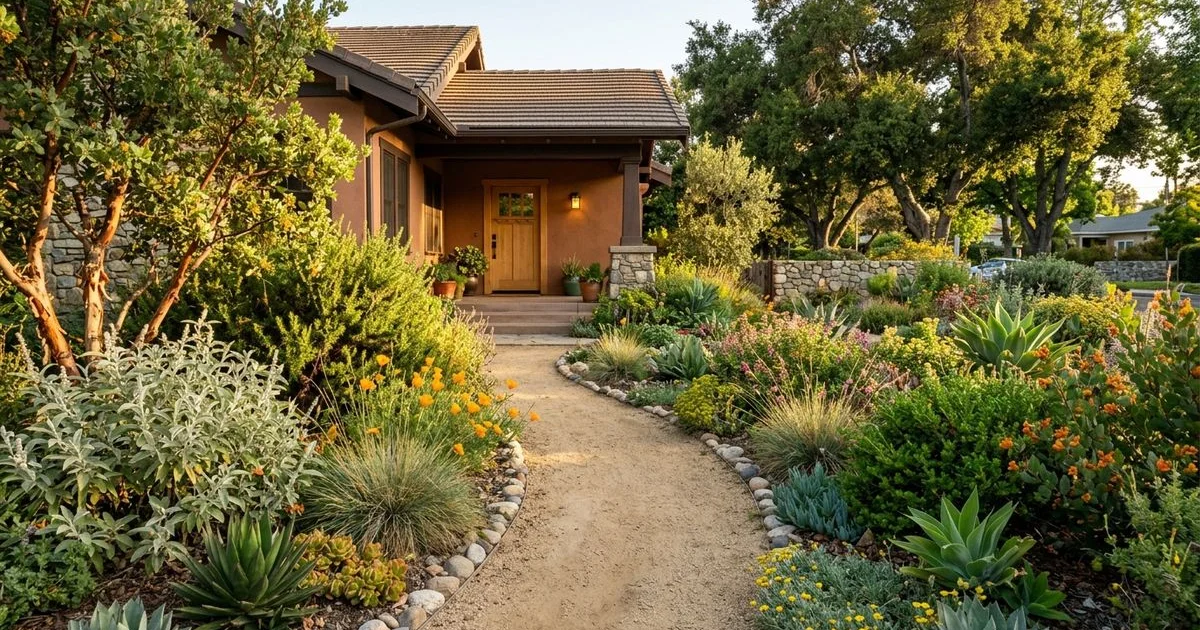
Delving into the nuanced art of landscaping requires familiarity with softscaping, a vital element that brings life and vibrancy to any outdoor setting. Unlike hardscaping, which focuses on solid structures, softscaping encompasses the lush, organic features like plants, flowers, and trees that define a landscape’s essence. For those seeking to create a serene and dynamic environment, understanding softscaping is crucial. By strategically blending color, texture, and form, softscaping not only enhances aesthetic appeal but also supports biodiversity. Discover how these living elements transform spaces into harmonious, inviting sanctuaries that refresh the senses and elevate outdoor experiences.
Brief Overview
Softscaping is a vital element of landscaping that infuses life and vibrancy into outdoor spaces through the integration of living elements like plants, flowers, and trees. It creates visual balance with non-living elements, known as hardscaping, resulting in a serene and dynamic environment. Softscape design focuses on selecting and arranging horticultural elements to enhance aesthetics and support biodiversity, while offering practical benefits like contributing to ecological balance and attracting wildlife. By blending artistry with nature, it transforms landscapes into harmonious, inviting sanctuaries that provide an elegant escape and a deeper connection with the environment.
Key Highlights
- Softscaping introduces living elements like plants and flowers, contrasting with hardscaping’s structural focus.
- Softscape landscaping is vital for creating a harmonious, aesthetic, and ecologically beneficial outdoor space.
- Proper planning and plant selection ensure softscapes thrive, reducing maintenance and enhancing natural appeal.
- Balancing softscape with hardscape elements provides a cohesive, functional, and beautiful landscape design.
- Professional landscaping services can optimize softscape projects, enhancing ecological sustainability and visual impact.
Understanding Softscaping: The Foundation of Beautiful Landscapes
Softscaping serves as the foundation for any breathtaking landscape, acting as the living canvas that defines your outdoor space. It encompasses the elements that make a garden truly vibrant and lively, primarily living elements such as plants, trees, shrubs, and flowers. In your landscape design, softscaping features seamlessly integrate with other components to enhance the overall natural appeal of your property. As we delve into softscape landscaping, you’ll discover how these horticultural elements not only add beauty but also provide a tranquil atmosphere to your space, transforming your landscape into a harmonious environment.
What is Softscaping? The Living Heart of Your Landscape
Softscaping refers to the art of incorporating living plants into your landscape. Unlike hardscaping, which focuses on non-living elements like rocks and pathways, softscaping is all about the vibrant, dynamic nature provided by plants. At its heart, softscaping is used to bring life and movement to your garden, creating a visual balance with hard elements. Living elements, such as shrubs, trees, and flowers, are all fundamental softscaping features that breathe life into your property and provide a seasonal variety that appeals to the senses. By skillfully selecting and arranging these softscape elements, you can craft gardens that reflect the unique style of your outdoor space. Softscape design can transform even the smallest city garden into an oasis of tranquility, inviting you to connect with nature. The process of designing with softscape involves a deep understanding of plant care, including how light, water, and soil impact growth. With a focus on lawn care and mindful gardening practices, the ideal softscaping project offers a lush, green escape right outside your door. Whether aiming for a modernistic clean look or a wild, untamed feel, softscaping allows for endless creativity.
The Role of Softscape Landscaping in Your Landscape Design
Softscape landscaping plays a crucial role in transforming your landscape into a picturesque retreat. It’s more than just adding plants; it’s about blending these softscaping elements into a cohesive tapestry that enhances your property’s natural appeal. The use of softscape creates visual interest and adds depth, encouraging a sense of balance between nature and your home structure. Proper softscaping requires thoughtful planning, consider the features of your outdoor space, the types of plants suitable for your climate, and how these plantings will evolve over time. The integration of living plants beautifully contrasts with hardscape counterparts, making each garden unique. Attention to plant selection, including shrubs, trees, and perennials, will ensure that your garden thrives throughout the seasons, offering color and texture year-round. A successful softscape design results in a landscape that’s both visually compelling and ecologically beneficial. It supports local wildlife and promotes a healthier environment. Services for softscape care help maintain your garden’s lush vitality, ensuring each plant blends naturally with the overall landscape design. Expert softscape landscaping turns your vision into a living masterpiece, crafting a garden that welcomes both friends and family to enjoy a serene, relaxing atmosphere.
| Element Type | Function | Design Principles | Benefits |
|---|---|---|---|
| Plants | Add natural beauty and texture | Selection based on climate and soil | Enhance air quality and biodiversity |
| Trees | Provide shade and structure | Placement for balance with hardscaping | Reduce heat and improve air quality |
| Shrubs | Create privacy and define spaces | Consider size and growth rate | Improve privacy and windbreaks |
| Flowers | Introduce color and seasonal interest | Use for focal points and color schemes | Attract pollinators and add vibrancy |
This table encapsulates the essence of softscaping in landscape design, showcasing its critical role in enhancing aesthetics, environmental quality, and the harmony of outdoor spaces. Through thoughtful selection and placement of living elements, softscaping transforms environments into inviting and sustainable sanctuaries.
Softscaping vs. Hardscaping: A Tale of Two Elements
Landscaping is an exquisite art, beautifully merging diverse elements to create a harmonious outdoor space. Two crucial components that stand at the forefront of this transformation are softscaping and hardscaping. While softscaping focuses on the lush, living elements like plants and flowers that give your garden its natural appeal, hardscaping emphasizes the structural elements such as patios and walkways. Understanding the dynamics between these elements is essential for crafting a balanced, welcoming landscape design. Discover how these components complement each other to enrich your outdoor environment.
Defining Softscape Landscaping: The Green in Your Garden
Softscape landscaping is about embracing the lush, green elements that breathe life into your landscape design. It encompasses all living things in your garden, such as plants, trees, and shrubs. These softscaping elements not only add visual appeal but also contribute to the ecological balance of your property. They create a welcoming atmosphere, encouraging biodiversity and providing habitats for local wildlife. Softscaping includes the incorporation of flowers that burst into color, trees that provide shade, and lawns that offer lush, green space. Your landscape can benefit immensely from these natural additions by transforming into a vibrant, ever-changing tapestry that evolves with the seasons. The gentle rustle of leaves and the symphony of colors from blooming flowers offer a tranquil escape from the everyday hustle and bustle, making your garden a serene sanctuary. This dynamic nature of softscape elements ensures that your outdoor space isn’t just aesthetically pleasing but also emotionally fulfilling. By maintaining proper lawn care and implementing horticultural practices, you can enhance these green features, ensuring they thrive in every season. It’s this gentle blend of meticulous design and attentive gardening that makes softscape the green heart of your landscape.
The Balance Between Softscape and Hardscape
Achieving harmony in landscape design involves skillfully balancing softscaping with hardscaping elements. Hardscaping includes the structured, non-living features of your property, like stone pathways, patios, and retaining walls. These features provide the essential structure within which softscaping thrives. The interplay between these two components creates a comprehensive landscape architecture, blending the structured resilience of hard materials with the soft, natural appeal of living plants. When designing, it’s crucial to ensure that softscape and hardscape elements complement rather than compete with each other. For instance, hardscape features serve as functional boundaries or focal points around which softscaping can flourish. A meandering stone path might draw visitors through a garden rich with blooming shrubs and trees, subtly guiding them to appreciate the natural beauty all around. The balance achieved through this combination encourages a seamless flow, where the soft, inviting layout of plants is highlighted by the bold, defined lines of hard elements. By thoughtfully integrating these two, one enhances the other’s strengths, creating a cohesive and inviting outdoor space. This balance is not merely aesthetic but practical, as well, it ensures the longevity and sustainability of your landscape by making optimal use of space and resources. By understanding the unique contributions each makes, you can transform your outdoor area into a visually compelling oasis that offers both aesthetic appeal and practical benefits.
The Essential Elements and Benefits of Softscape Design
The art of crafting a remarkable outdoor space lies in understanding the essential elements of softscape design and the profound benefits they bring. Softscaping focuses on the living elements that breathe life into your outdoor environment, such as plants, shrubs, and flowers. By incorporating these vibrant features, you add layers of natural appeal to your landscape, enhancing both aesthetic and ecological value. Through the strategic placement and selection of softscaping elements, your property gains a welcoming atmosphere that invites relaxation and enjoyment. These horticultural elements transform your yard into a lively canvas, engaging sight, smell, and sound.
Incorporating Softscaping Elements for a Welcoming Atmosphere
Incorporating softscaping elements is essential for creating a welcoming atmosphere in your outdoor space. By selecting the right mix of plants, shrubs, and flowers, you can design a landscape that is visually stunning and ecologically sound. It’s about more than just planting; it’s about selecting the right living plants that will thrive in your property’s conditions. Consider the color, texture, and growth habits of the plants, which will add depth and interest to your landscape. Softscape design introduces layers of greenery that not only enhance the natural appeal of your garden but also complement the existing hardscape features, creating a seamless flow throughout the space.
This approach encourages a lively backyard that feels like a natural extension of your living environment. The inclusion of horticultural elements such as lush lawns and vibrant flower beds transforms your yard into an inviting retreat. These elements not only provide visual pleasure but also practical benefits, such as attracting wildlife and improving air quality. When strategically positioned, softscape features also offer climatic advantages, acting as natural coolers and providing shade or wind breaks. With thoughtful incorporation, softscaping can mitigate noise pollution, making outdoor gatherings more enjoyable.
Moreover, these elements play a crucial role in defining spaces within your garden, from cozy seating areas surrounded by flowering bushes to open lawns designed for family activities. Engaging the senses, softscape elements bring harmonic sounds and vibrant sights, creating a multisensory experience that enriches the spirit. The integration of softscape design elements into your landscape not only emphasizes visual appeal but also fosters an emotional connection to nature. Whether lying on the lush lawn or appreciating the organized chaos of a wildflower garden, your softscaped property offers a respite from the daily grind.
Enhancing Your Softscape Project with Living Elements
Enhancing your softscape project with living elements such as plants, shrubs, and flowers is crucial in developing an outdoor space that thrives throughout the seasons. Living plants act as the backbone of your landscape, introducing vital hues and textures that shift with the changing months. By focusing on a diverse selection of species, from perennials to seasonal blooms, you ensure year-round visual interest and ecological balance. These plants, whether placed in beds, borders, or as standalone features, are the horticultural elements that make your yard feel truly dynamic and alive.
One of the main aspects of integrating living elements into your landscape is to ensure that these plants harmonize with the overall design theme, enhancing the existing features of the outdoor space. This means considering how each plant interacts with the others, how their growth patterns influence the layout, and how they complement hardscape features. Effective incorporation relies on understanding the specific needs of each species, considering factors like sun exposure, soil quality, and water requirements. By doing so, you ensure that your softscape elements are not just thriving, but flourishing.
This attention to detail in the planting phase also translates to easier long-term maintenance and care. Appropriate selection and placement reduce the need for extensive upkeep, allowing gardeners to focus more on enjoying their landscape rather than endless upkeep. Moreover, by choosing native plants that are naturally suited to your climate, you encourage local biodiversity and create a micro-habitat within your backyard. Such thoughtful integration results in an outdoor environment that is not only beautiful and functional but also sustainable.
Engaging services for expert landscaping advice can further enhance your project’s success. Professionals offer insights into plant pairing, soil conditioning, and sustainable practices that elevate the quality and resilience of your garden. The end result is a thriving softscape project, a vivid celebration of nature that provides a mesmerizing escape just outside your door. By leaning into the living elements of landscaping, you transform your property into a verdant, nurturing environment that satisfies the desire for beauty, tranquility, and ecological responsibility. For homeowners who want planting and hardscape planned as one build, our custom landscaping team in Santa Ana integrates softscape elements into complete outdoor designs.
Transform Your Yard with Expert Softscape Landscape Design
Bringing professional expertise into your yard through softscape landscape design can transform your outdoor space into an oasis of calm and beauty. At the heart of softscaping is the seamless integration of living elements that enhance your property’s natural appeal, bringing together plants, trees, and flowers in a harmonious layout. This approach not only adds beauty but also creates a dynamic, ever-changing landscape that adapts with the seasons. You’ll find that with proper planning, softscape landscaping can turn your garden into a vibrant, ecological masterpiece, inviting and relaxed for all who visit.
Tips for Planning and Maintaining Your Softscape Landscaping
Planning your softscape landscape design begins with a comprehensive understanding of your outdoor space and the potential it holds. Assessing your yard’s unique features is crucial to crafting a softscaping project that truly resonates with nature’s rhythms. Start by evaluating the soil quality, light availability, and weather patterns unique to your property. Understanding these factors helps in choosing the right softscape elements, such as the perfect mix of plants and flowers that will not only thrive but flourish. This preparatory phase is vital because it ensures that your living garden design aligns with the natural conditions of your space, reducing the need for excessive maintenance and ensuring sustained growth and beauty.
Once you’ve assessed your space, consider the design elements that resonate with your personal style. Whether you prefer an organic, English-style garden with gentle curves and symphonic blooms or a modern, minimalist approach with defined lines and select plants, your yard can become a reflection of your vision. The incorporation of softscape elements like shrubs and flowers should complement existing hardscape features, enhancing the overall aesthetic appeal. This includes considering color schemes, plant textures, and growth patterns to develop a cohesive garden design. Integrating features like planter boxes or raised flower beds can add depth and interest to your yard, creating a multi-layered, inviting space.
Ongoing maintenance is another critical aspect of successful softscape landscaping. Implementing an effective lawn care routine and regular gardening practices ensures that your softscape project remains lively and healthy. Regular pruning, weeding, and fertilizing are fundamental in maintaining the garden’s visual appeal. Additionally, paying attention to plant health and promptly addressing issues like pests or diseases will prolong the life of your garden features. By embracing these maintenance tasks, your yard remains a lush, vibrant ecosystem.
Investing in professional landscaping services in Pasadena can further optimize your efforts, providing expert guidance on sustainable planting practices and efficient water use. By employing eco-friendly techniques and selecting drought-resistant plants, you contribute to environmental conservation while reducing maintenance costs. Engage with experts to explore innovative solutions, and transform your property into a captivating landscape that not only looks spectacular but thrives sustainably. This proactive approach can turn your softscape landscaping into an enduring source of pride and beauty, marking your outdoor space as a cherished retreat for family and friends alike.
To further elevate your softscape landscape, consider these additional recommendations:
- Choose native plants to enhance ecological balance and reduce maintenance efforts.
- Integrate vertical gardens for a striking visual impact in smaller spaces.
- Incorporate water features to boost tranquility and attract wildlife.
- Use mulch to retain moisture and inhibit weed growth effectively.
- Strategically place outdoor lighting to highlight key features and ensure safety.
- Develop seasonal planting plans to maintain year-round visual interest.
- Include a mix of evergreen and deciduous plants for varied textures and colors.
- Adopt organic fertilizers to promote soil health and plant vigor.
By incorporating these ideas, you can nurture a dynamic and enchanting outdoor environment.
Embracing softscaping means welcoming a vibrant and lush component to your outdoor space, enhancing its aesthetic and ecological value. By carefully selecting plants, trees, and flowers, you create a landscape that not only dazzles with beauty but also contributes to environmental health. At Ridgeline Outdoor Living, we’re passionate about blending artistry with nature, offering expert consultations to help you transform your yard into a serene paradise. Download our comprehensive guide today and start your journey towards a gracefully balanced landscape where softscaping takes center stage.
A free on-site consultation, a phased budget tier, and a master plan that fits your property and your goals.