

Timber Retaining Walls: Where They Work, Durability and Design Considerations
Timber retaining walls: where modern pressure-treated timber works well, what drives durability and lifespan, design considerations and practical limits.
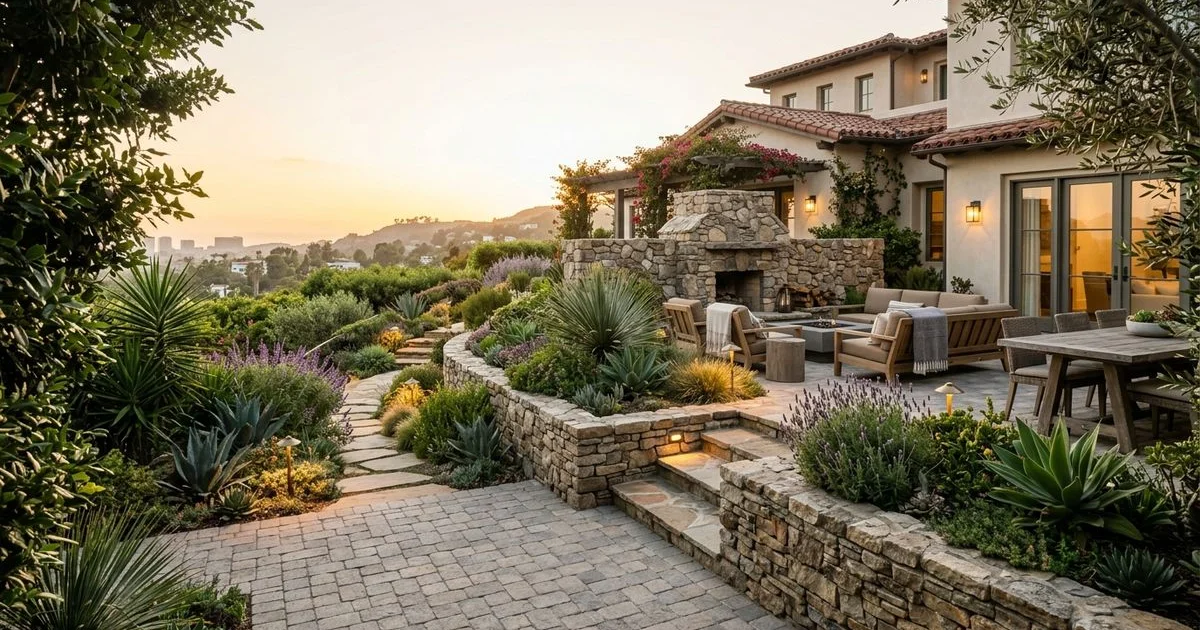
Timber sits in an interesting position among retaining wall materials. It is warmer and quieter than concrete or block, easier on the eye in a planted garden, and honest about what it is. It is also a natural material with a finite service life, and choosing it well means understanding where it shines and where it does not.
That decision usually comes down to the site, the scale of the wall and the look of the property, and it is worth making deliberately rather than by default.
What Counts as a Timber Retaining Wall Today
Modern timber retaining walls are built from pressure-treated timber: structural lumber manufactured to survive permanent soil contact, typically installed as stacked landscape timbers or as horizontal boards carried on vertical posts, with the whole system anchored into the soil it retains. That treatment is what separates today’s material from the railroad tie retaining walls found on many older properties. Those legacy walls are a separate topic with their own history and problems; this article is about the modern material and where it makes sense to use it.
Where Timber Walls Work Well
Timber earns its place on residential sites where the scale is modest and the setting rewards a softer material:
- Smaller grade changes, typically low garden walls rather than tall structural retaining
- Garden terraces and planting beds, where the wall doubles as a garden edge
- Informal and naturalistic landscapes, where a wood wall blends into planting instead of competing with it
- Secondary spaces such as side yards, paths and working areas of the garden
- Designs where the material itself is part of the look, since few wall materials feel as warm next to planting
In residential landscaping, the common thread is scale and setting. Timber looks most at home where the wall is a garden element first and a structure second.
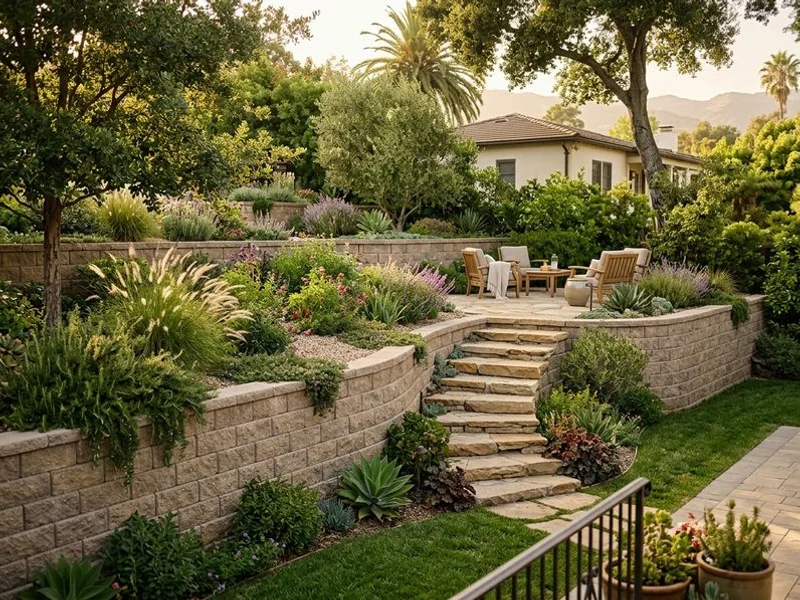
Why Pressure Treatment Matters
Wood buried against damp soil is under permanent attack from fungi and moisture, and untreated lumber simply is not a retaining wall material. Pressure treatment forces preservative deep into the wood, giving it the decay resistance that ground contact demands.
For a retaining wall, the timber should be rated for ground contact, which is a specific treatment standard rather than a marketing description. Lumber rated only for above-ground use will rot early in a wall, no matter how solid it looks on delivery day. The rating appears on the lumber’s end tag, so it is easy to verify. This is one of the few material specifications a homeowner should ask about directly, because everything else about the wall’s durability builds on it.
Durability and Lifespan Factors
There is no honest single number for how long a timber wall lasts, because the material’s service life swings widely with conditions. Well-drained walls built from properly rated timber are commonly described in decades; poorly drained walls in wet soil can fail in a fraction of that.
Drainage sits at the top of the list, because trapped water both rots wood and loads the wall. Soil moisture and site exposure come next, followed by installation quality, the treatment rating of the timber itself, the local climate and whether anyone maintains the wall over the years. Southern California’s dry months are kind to timber; its winter storms test every weakness in the drainage behind the wall. A homeowner choosing timber is really choosing the maintenance rhythm that comes with it. A few habits protect the investment: keep mulch and soil from piling against the face, aim irrigation away from the wall, and clear the leaves and debris that trap moisture against the timbers.
Design Considerations
Timber’s visual character does real work in a landscape. The horizontal lines and natural color soften grade changes, and the material reads as garden rather than infrastructure, which suits properties where walls should support the planting rather than dominate it. Left unfinished, the wood weathers toward a silver-gray that many gardens welcome.
Wall height is the first design restraint. Timber suits lower walls, and taller grade changes are usually better handled as stepped terraces than as one tall timber structure, which keeps each wall modest in both structural demand and visual weight. Layout choices follow from there: straight runs feel crisp and deliberate, stepped walls follow a slope more gracefully, and terraced arrangements create planting pockets between levels.
The wall’s relationship to the spaces around it matters as much as its alignment. A low timber wall edging a path or defining a patio border works as landscape furniture; the same material stacked tall reads as bulk. Timber rewards restraint.

Practical Limitations
Timber is not the right answer for every site, and naming the limits is part of choosing it well. Taller or heavily loaded walls, walls holding slopes with structures above them, and walls in constantly wet soil are usually better served by masonry systems, and taller walls may require engineering review regardless of material. Timber also has a defined service life rather than a permanent one, so choosing it means accepting eventual retaining wall replacement as part of the ownership picture. And on highly formal or masonry-heavy architecture, wood can read as underdressed.
On the hillside and estate properties common in Beverly Hills, that usually translates to a clear division of labor: timber suits lower garden walls, secondary terraces and informal edges within established planting, while major grade changes and view-defining structures call for more substantial systems. The best timber retaining walls in Beverly Hills are the ones matched to that scale, used where warmth matters and stepped aside where structure does.
Frequently Asked Questions
How long do timber retaining walls last?
Service life varies widely with drainage, soil moisture, timber treatment, installation quality, climate, exposure and maintenance. Well-built, well-drained walls using ground-contact-rated timber are commonly measured in decades, while walls with poor drainage can deteriorate far sooner. Any single number would overstate the case, because site conditions dominate the outcome.
What type of timber is used for retaining walls?
Pressure-treated structural lumber rated for ground contact. That rating indicates the preservative treatment is intended for permanent soil and moisture exposure. Lumber rated only for above-ground use is not suitable, regardless of how sturdy it appears.
Are timber retaining walls suitable for sloped properties?
Yes, within scale limits. Timber works well for the lower walls, terraces and garden-level changes that sloped residential properties often need. Steep slopes with large total grade changes are usually handled as stepped timber terraces or, for the major structures, with masonry systems, depending on height, loads and site conditions.
Do timber retaining walls need drainage?
Yes, every bit as much as any other wall material, and arguably more. Water trapped behind a timber wall both adds pressure against the structure and keeps the wood saturated, which is the exact condition that rots it. Free-draining backfill, a drain at the base and grading that moves surface water away are what separate a timber wall that lasts from one that does not.
Frequently Asked Questions
How long do timber retaining walls last?
What type of timber is used for retaining walls?
Are timber retaining walls suitable for sloped properties?
Do timber retaining walls need drainage?
A free on-site consultation, a phased budget tier, and a master plan that fits your property and your goals.